Meta AI Can Now Take Action: How Muse Spark 1.1 Changes Research, Planning, and Content Workflows
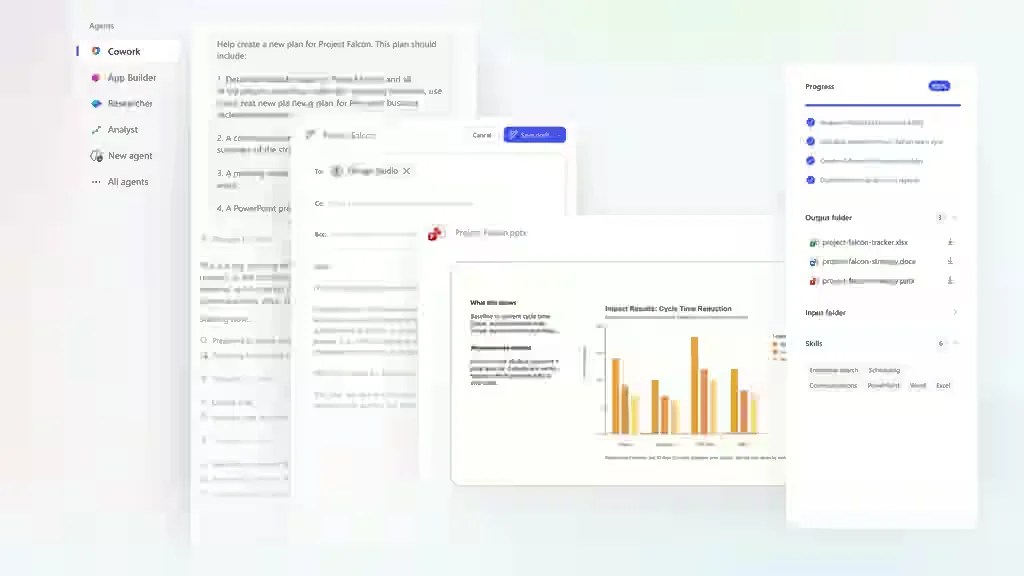
Powered by Muse Spark 1.1, Meta AI can plan, connect to email and calendars, create briefings, conduct research, generate slides, and follow through on tasks. This guide explains what that means for creators, marketers, and solopreneurs, with a practical source and media workflow using VietBoost.
On July 24, 2026, Meta announced that Meta AI was moving beyond a primarily conversational assistant toward a system that can plan and follow work through. The change is powered by Muse Spark 1.1, a multimodal reasoning model designed for agentic tasks, tool use, computer use, coding, long-context management, and multi-agent orchestration.
For creators, marketers, shop owners, and solopreneurs, the important point is not another impressive AI demo. The practical value is that fragmented work—checking calendars, watching trends, reading sources, assembling research, building mood boards, creating slides, and scheduling follow-ups—can increasingly become a delegated sequence rather than a collection of isolated prompts.
This article examines the update from an operational perspective. It explains what to delegate, what to keep under human control, and how VietBoost can provide an independent source-and-media layer so that an agent workflow does not become an opaque black box.
What changed in Meta AI in July 2026?
Meta says Meta AI can make plans, connect with email and calendar applications, conduct research, create slides, build mood boards, and deliver scheduled updates. Users can configure a recurring task once and let the assistant continue producing results at the selected cadence.
The main distinction between a chatbot and an agent is time and responsibility. A chatbot usually responds within a turn. An agent must preserve an objective across steps, decide when to search, when to use a tool, when to ask for clarification, and when to stop. Muse Spark 1.1 is presented as a model that can plan, orchestrate subagents, operate computers, understand multiple modalities, and manage a very large context window.
This does not mean every user already has every capability. Meta is rolling features out in selected markets, and access depends on region, account, and granted permissions. Businesses should therefore avoid building a critical process on the assumption that all capabilities are already available in Vietnam.
From isolated answers to stateful work
Traditional content operations are divided across many applications. A marketer opens Facebook for trends, a browser for official sources, a notes app for ideas, a calendar for planning, and a presentation tool for delivery. Every context switch increases the chance of losing a source or forgetting why a decision was made.
The new Meta AI experience attempts to maintain the state of that sequence. It can monitor a subject, produce a briefing, turn research into slides, store outputs, and return with scheduled updates. The value is not merely faster writing; it is reducing the number of times a person must restart the same project.
However, agent memory is not a substitute for an independent evidence record. If an important claim only exists inside an AI conversation, a team may struggle to verify the original URL, access date, document version, or media rights. Meta AI should act as the execution layer, while VietBoost serves as the evidence layer.
Daily briefings for solopreneurs
A daily briefing can combine calendar events, deadlines, emerging topics, pending replies, and schedule conflicts. For a small team, this can become an operating dashboard rather than another stream of notifications.
The assignment must be precise. Instead of asking for general AI trends, define the market, companies, threshold for importance, accepted sources, and output format. A useful briefing should include a source, a one-sentence summary, priority, risk of ignoring the item, and a recommended next action.
After review, save the valuable sources to VietBoost, tag them by project, and add a decision note. This prevents the briefing from disappearing inside chat history.
Faster research still requires provenance
Meta says its assistant can synthesize information from the web, research papers, creators, and communities. Community signals can reveal real problems and emerging interests, but they are volatile and often mix personal opinion with fact.
Use a three-layer research model: primary sources, credible secondary sources, and community signals. Primary sources establish what was officially announced. Secondary sources provide independent interpretation. Community signals help identify questions and reactions but should not automatically be treated as verified facts.
VietBoost can capture URLs, media, excerpts, and notes for each layer. The editor can then audit the evidence before publication.
Slides and mood boards need a rights review
Turning research into a slide deck or mood board shortens the path from information to a presentable deliverable. Yet auto-generated decks frequently contain attractive images with unclear usage rights and confident statements with uncertain evidence.
Let Meta AI create the structure and first draft. Keep a separate source packet in VietBoost with original links, verified media, captions, alt text, access dates, and rights notes. This makes later updates and image replacement much safer.
Steering work while the agent is running
Meta says users can redirect a report, presentation, or plan while it is being produced. This can reduce wasted work. If the agent is over-indexing on the US market for a Vietnam-focused article, the editor can correct the scope immediately.
Repeated corrections should become reusable operating rules: approved sources, prohibited claims, brand voice, image standards, headline patterns, and publishing gates. These rules form the operational memory that should accompany future tasks.
Muse Spark 1.1 behind the experience
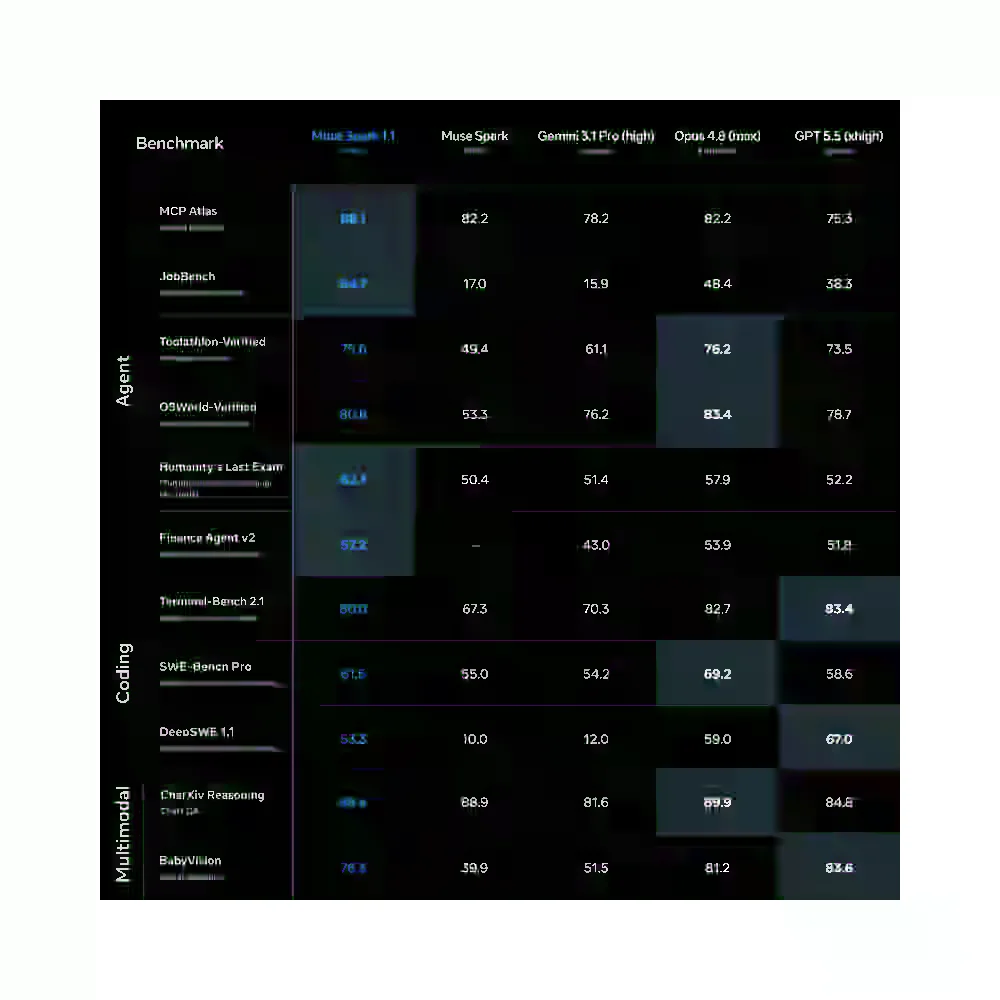
Meta introduced Muse Spark 1.1 on July 9, 2026 as a multimodal reasoning model for agentic workloads. The company highlights tool use, computer use, coding, multimodal understanding, multi-agent orchestration, and a one-million-token context window.
For content teams, those capabilities translate into longer projects, mixed media, parallel research, and more persistent objectives. But a larger context window does not guarantee accuracy. More low-quality input simply creates a larger low-quality system.
Before assigning a long-running project, prepare a clean source packet: objectives, audience, brand rules, preferred sources, exclusion terms, and completion criteria. VietBoost is useful at this preparation stage because it collects links and media directly from the browser into a structured reference library.
Practical workflows for creators and marketers
Useful workflows include a trend radar, competitor monitoring, content research, campaign mood boards, weekly planning, multi-platform repurposing, and post-campaign reviews. In every case, the agent can coordinate work while the human maintains an independent record of evidence and decisions.
For competitor monitoring, save dated URLs or screenshots. For mood boards, use only assets with a clear source and acceptable rights basis. For repurposing, preserve the original research so every derivative post can be checked against the same evidence.
A five-step Meta AI and VietBoost workflow
First, define the task: output, deadline, audience, market, permitted sources, and stopping conditions. Second, let Meta AI propose a plan before giving it access to sensitive applications. Third, capture every valuable source and media asset in VietBoost and mark its verification status.
Fourth, let the agent produce the briefing, deck, or schedule, then perform a human review for factual accuracy, context, rights, tone, and calls to action. Fifth, record the decision: why an angle was selected, why another was rejected, which assets were used, and what should be monitored next.
Privacy and least privilege
When an assistant can read email and calendars, the benefit increases, but so does the attack surface. Grant only the minimum permissions needed. Do not connect a data-rich personal account when the task only needs a content calendar.
Review connections regularly, revoke unused permissions, and keep secrets and sensitive customer information out of prompts. Incognito chat features do not replace an internal data policy.
Work that should not be fully delegated
Do not let an agent independently publish legal, medical, financial, or reputation-sensitive claims. Do not allow mass email, budget changes, or destructive actions without preview and confirmation.
Humans should retain authority over editorial judgment, source credibility, media rights, ethical concerns, and audience impact. The right question is not whether the agent can perform a task, but how the organization will detect, stop, and recover from an incorrect action.
Measuring whether the workflow is better
Do not measure only hours saved. Track time to first draft, percentage of claims supported by primary sources, revision cycles, rework, incorrect actions, and asset reuse. For briefings, measure the percentage of items that lead to useful action. For decks, measure the percentage of assets with provenance and rights notes.
VietBoost supports this operational discipline by making references searchable and reusable across projects.
Conclusion
Meta AI powered by Muse Spark 1.1 reflects the major 2026 shift from answering to planning and acting. Small teams can delegate more coordination, but stronger agents require stronger source systems.
Use Meta AI as the reasoning and execution layer. Use VietBoost as the capture and provenance layer. Together, they can produce a workflow that is not only faster but also more reusable, auditable, and resilient.
Official sources
- Meta Newsroom, “Meta AI Doesn’t Just Think, It Acts,” July 24, 2026.
- Meta AI, “Introducing Muse Spark 1.1,” July 9, 2026.